Cambodia Visa & Immigration 2026: Extensions & Permits

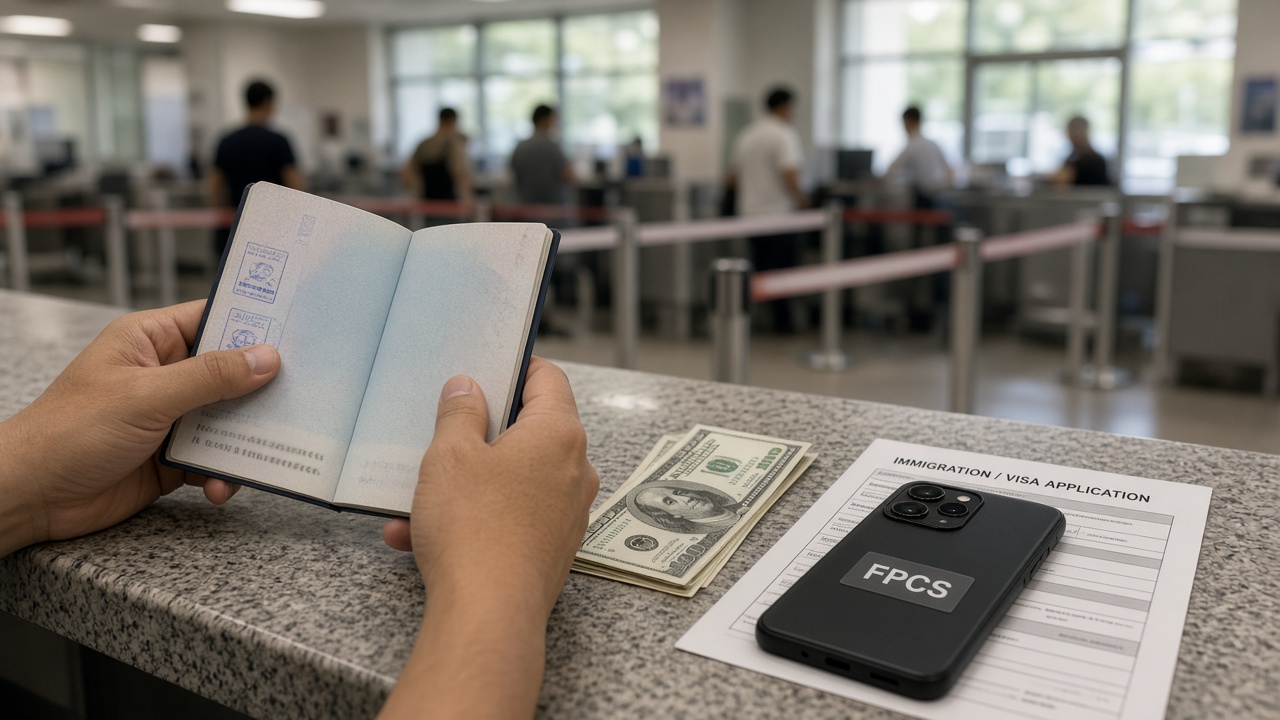
Landing in the Kingdom: Don’t Ruin Your Relocation on Day One
Cambodia remains one of the most accessible countries in Southeast Asia for expats, freelancers, and retirees. However, immigration enforcement in 2026 is tightly linked with digital databases. Knowing exactly which visa stamp to get at the border determines whether your relocation is effortless or an expensive bureaucratic headache.
If you’re mapping out your transition to Phnom Penh, Siem Reap, or coastal Kampot, sorting out your legal stay is your very first milestone. Before calculating your daily budget with our detailed guide on What Cambodia Really Costs in 2026: The Honest Monthly Breakdown, let’s make sure your passport stamps and extension paperwork are completely bulletproof.
Step 1: Choosing the Right Entry Visa (T vs. E)
The single biggest mistake new arrivals make happens before they even step through passport control. You have two primary visa choices at the airport or international land border:
Valid for 30 days. Perfect for quick scouting trips or casual vacations.
- Can be extended only once for an additional 30 days ($45–$50).
- Cannot be converted to a long-term business or retirement visa in-country.
- Requires leaving the country once the extension expires.
Valid for 30 days initially. The golden gateway for all long-term expats.
- Extendable for 1, 3, 6, or 12 months indefinitely.
- Can be extended into EB (Business), ER (Retirement), EG (Job Search), or ES (Student).
- 6 and 12-month extensions allow multiple entries.
Extension of Stay (EOS): Picking Your Category
Once you are inside Cambodia on your 30-day Ordinary Visa, you must apply for an Extension of Stay (EOS) before the initial month expires. For deeper context on requirements, check our dedicated breakdown on Cambodia Visa Guide 2026: Tourist vs. E-Class Extensions & Costs. Here are the 4 main extension categories available:
| Extension Type | Target Expat | Key Documents Required | Approx. Cost (12 Mo) |
|---|---|---|---|
| EB (Business / Work) | Employees, founders, remote workers, freelancers | Employment letter with company stamp, patent tax certificate, or self-employment declaration | $290 – $320 |
| ER (Retirement) | Expats aged 55+ with retirement savings or pensions | Proof of pension, foreign social security, or bank statement showing sufficient funds | $290 – $310 |
| EG (Job Seeker) | Looking for employment in Cambodia | Resume/portfolio, proof of funds (maximum 6 months non-renewable) | $160 (6 Mo max) |
| ES (Student) | Enrolled students at recognized Cambodian institutions | Official enrollment letter from registered school or language academy | $280 – $300 |
The Critical Trio: Extension + Work Permit + FPCS
Securing your EB extension sticker in your passport is only half the equation. To remain 100% compliant and avoid surprise fines, ensure these two additional systems are satisfied:
1. FPCS App Registration
The General Department of Immigration requires every foreign resident to be registered on the Foreigners Present in Cambodia System.
Your landlord is legally responsible for adding you via the app within 48 hours of check-in. Without an active FPCS profile, immigration agencies cannot process your visa extension. Read our step-by-step walkthrough on Cambodia FPCS 2026: Complete Expat Registration Guide.
2. Cambodian Work Permit (FWCMS)
If you hold an EB Business extension, the Ministry of Labour and Vocational Training (MLVT) expects you to possess a valid annual Work Permit (Work Book).
The official cost is roughly $100 – $130 USD per year (plus medical check fee of ~$25).
Keep reading
Related guides
- E-class ordinary visaRequirements and extensions for the E-class visa.
- Work permit and labor bookLabor book, deadlines and fines explained.
- FPCS address registrationHow foreigner address registration works.
Was this guide helpful?
Your vote helps our editorial desk prioritize updates.